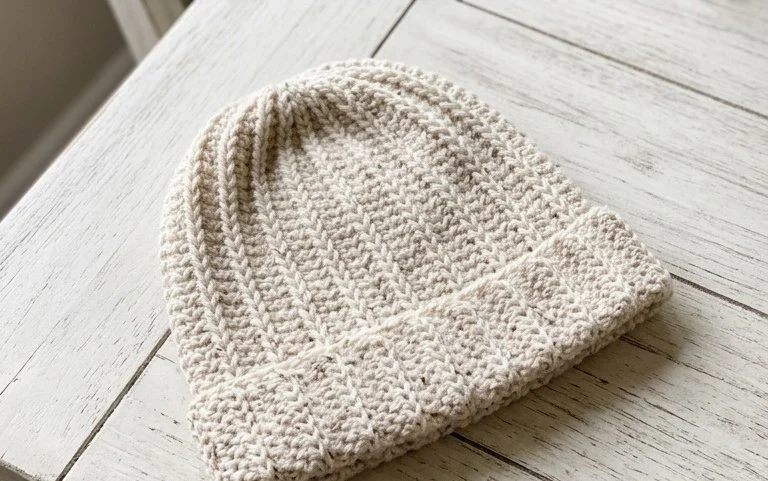
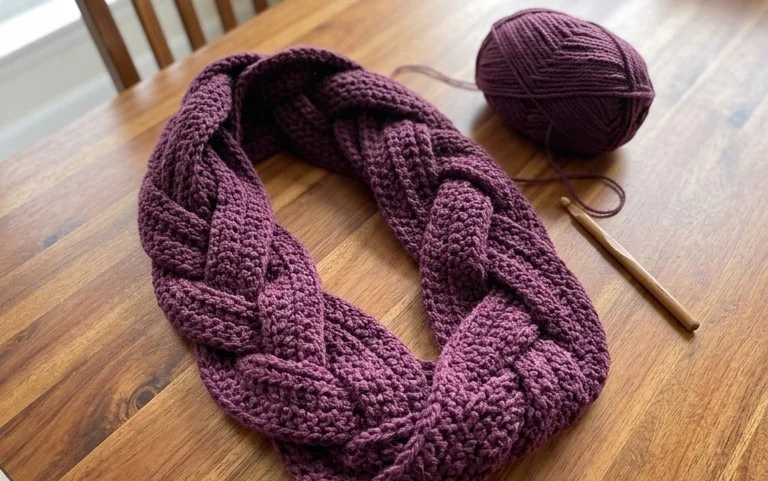
Easy Crochet Slouchy Hat: Free Pattern for Beginners
Soft wool creates a gentle drape that sits comfortably against the head, providing just enough warmth for brisk mornings without feeling heavy. These hats suit beginners because they rely on simple stitches like half double crochet to achieve a relaxed, slouchy shape that hides minor tension inconsistencies. You will learn how to transition from a flat circle into a vertical tube, which gives the finished accessory its signature silhouette. Whether you are building a winter wardrobe or making handmade gifts for friends, this project provides a rhythmic, meditative process that grows quickly during a weekend afternoon.
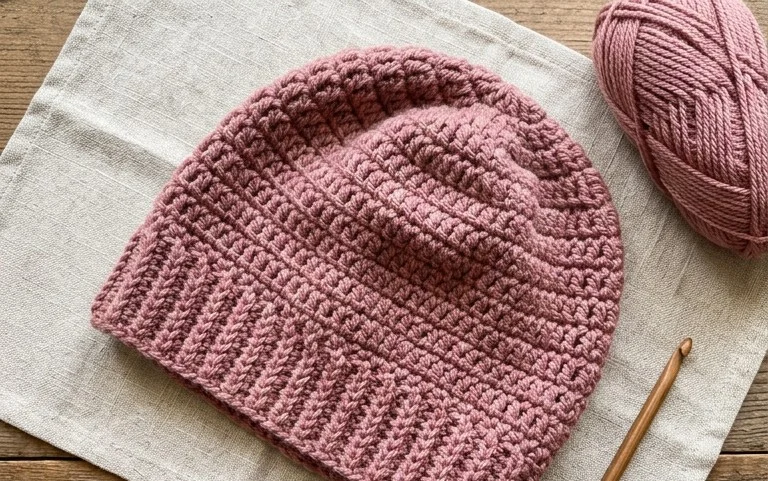
Why You’ll Love This Pattern
This classic crochet dishcloth is designed using the linen stitch, which creates a dense, durable fabric perfect for scrubbing kitchen surfaces. Because it works up quickly with simple transitions between single crochet stitches and chain spaces, it is an ideal project for practicing consistent tension. The texture remains soft even after multiple washings, and the lack of complex shaping makes it a relaxing project you can complete in a single evening. Since it requires less than one skein of cotton yarn, it is a budget-friendly way to refresh your kitchen utility stash or create a thoughtful housewarming gift.
I finally finished this set for my kitchen and the linen stitch texture is much more effective for scrubbing than the basic double crochet ones I used to make. It did not stretch out of shape after the first wash either.
— Sarah, home crafter
Pattern Overview & Skill Level
- Skill Level: Beginner
- Approximate Time: 1.5 to 2 hours
- Construction: Worked in flat rows, back and forth, starting from a foundation chain.
- Finished Dimensions: Approximately 8 inches by 8 inches.
Materials & Supplies Needed
- Yarn: Worsted weight (#4) 100% cotton yarn, approximately 75 yards. Cotton is necessary for its absorbency and heat resistance.
- Hook Size: 5.0 mm (H-8).
- Notions: Yarn needle for weaving in ends and scissors.
- Yarn Substitutions: You may use a cotton-linen blend for increased durability, though synthetic acrylic yarns should be avoided as they lack the necessary absorbency for dishcloths and will melt if they touch a hot pan.
Stitch Guide & Abbreviations (US Terms)
- ch: Chain
- sc: Single crochet
- st(s): Stitch(es)
- sp: Space
- Linen Stitch: Also known as the moss stitch, this is created by alternating a single crochet with a chain stitch, then working into the chain space of the previous row.
Step-by-Step Pattern Instructions
The foundation chain must be an even number to ensure the stitch pattern aligns correctly.
- Foundation: Ch 32.
- Row 1: Sc in the 4th ch from the hook, *ch 1, skip 1 ch, sc in the next ch. Repeat from * across to the end. Turn. (16 sc, 15 ch-1 sps).
- Row 2: Ch 2, skip the first sc, sc in the first ch-1 sp, *ch 1, skip the next sc, sc in the next ch-1 sp. Repeat from * across, ending with a sc in the turning chain space. Turn. (16 sc, 15 ch-1 sps).
- Rows 3–30: Repeat Row 2 until the piece measures approximately 8 inches from the starting edge.
- Finishing: Fasten off, leaving a 6-inch tail. Use a yarn needle to weave the end securely back through the stitches to prevent fraying during wash cycles.
Care & Washing Instructions
- Machine wash your dishcloths on a warm cycle (up to 104°F/40°C) with similar cotton items.
- Lay the cloth flat on a clean towel to air dry, as high heat in a tumble dryer can cause slight shrinkage.
- Reshape the square by pulling gently on the corners while the item is still damp to ensure it remains flat.
Pro Tips & Common Mistakes to Avoid
Maintain consistent tension throughout the project, as the linen stitch relies on uniform chain spaces to look neat. If your chains are too tight, the fabric will stiffen significantly and lose its flexibility. Use a stitch marker on the first few rows to keep track of your ends, as it is easy to accidentally skip the final stitch in a row, which will cause your square to turn into a trapezoid. If you wish to change the size, simply increase or decrease your starting chain by any even number; however, note that a larger size will require additional yardage. Weave your ends in by threading the tail through at least three different directions within the stitches to ensure they remain secure during aggressive scrubbing.
Frequently Asked Questions
Can I use acrylic yarn instead of cotton for these dishcloths?
It is not recommended. Acrylic yarn is hydrophobic, meaning it repels water rather than absorbing it. Cotton is the standard choice for kitchen items because it is absorbent, heat-resistant, and becomes stronger when wet.
How do I prevent the edges from becoming uneven?
The most common cause of uneven edges in linen stitch is missing the last stitch of a row. Always count your single crochet stitches to ensure you have 16 in every row, and pay close attention to working into the turning chain space at the end of each row.
Can I sell the finished dishcloths made from this pattern?
Please check the specific terms of use provided with the pattern download or on the designer’s website. Most designers allow for the sale of finished items on a small scale, but you must use your own product photography rather than copying the designer’s images.
Is this pattern suitable for someone who has never crocheted before?
Yes, this is an excellent starter project. It only requires knowledge of how to make a foundation chain and a single crochet stitch. The repetition helps build muscle memory quickly, which is essential for new crafters.
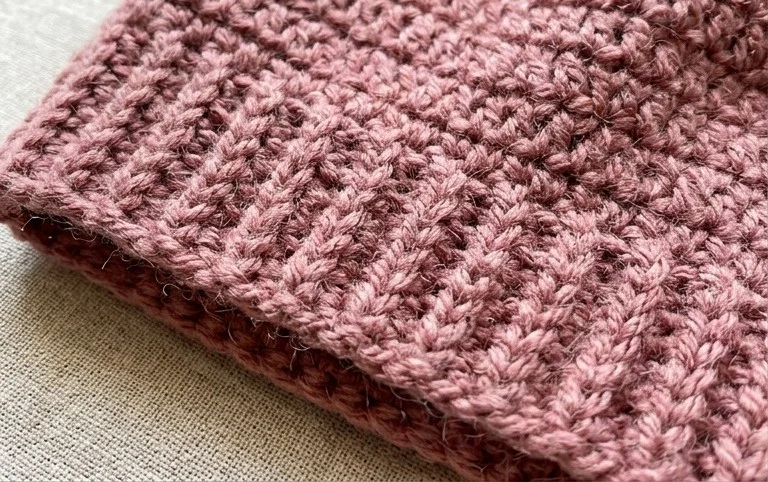
A finished hat keeps you cozy on cold days and makes a thoughtful, handmade addition to any closet. You can swap the solid color for a self-striping yarn to create a playful gradient effect or adjust the chain count to make a smaller version for a child. Please share a photo of your completed project with the community online so others can see your color choices. Browse through the rest of the blog for more beginner patterns to help grow your collection of handmade winter accessories.