Easy Crochet Infinity Scarf: Free Beginner Step-by-Step
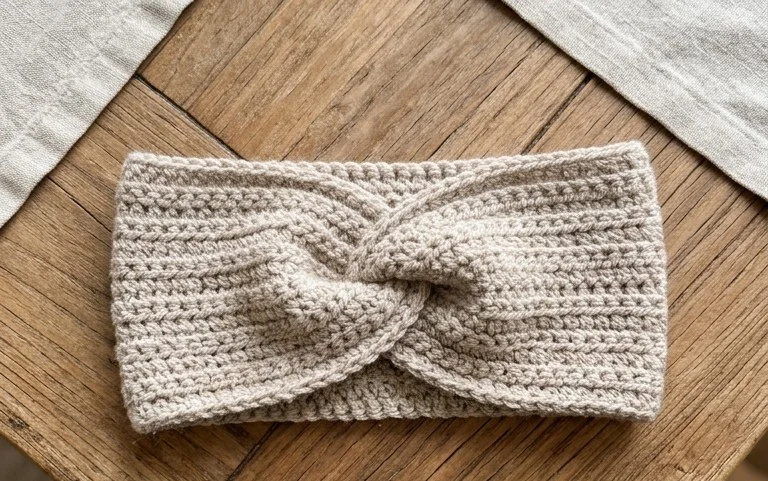
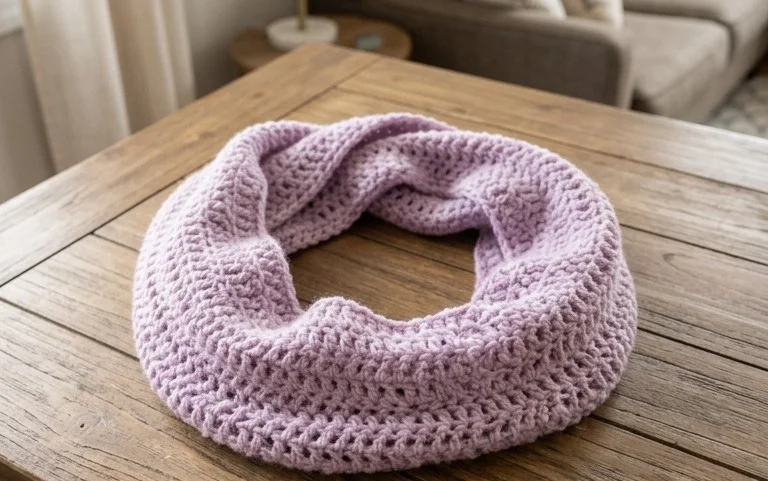
A lightweight, airy accessory adds just the right amount of warmth for a breezy spring evening or a cool summer night. This project produces a soft, drapey loop that sits comfortably against your neck without feeling bulky or restrictive. Beginners appreciate how the repeating stitch sequence builds rhythm quickly, turning a few skeins of cotton-blend yarn into a versatile wardrobe staple. You will gain confidence working with open, lacy patterns that emphasize flow rather than dense warmth. This accessory makes a thoughtful gift for friends who appreciate handmade items that shift effortlessly between casual layers and dressed-up outfits all season long.
Why You’ll Love This Pattern
This classic crochet dishcloth is designed to be the ultimate workhorse in your kitchen. It uses a dense stitch pattern that creates a sturdy, textured surface, perfect for scrubbing plates or wiping down countertops. Because it is worked in a simple repeat, it is an ideal project for practicing tension control without needing to track complex row changes. You can complete one in a single evening while watching a show, making it a reliable choice for last-minute gifts or stocking up your own linen closet.
I managed to whip up a stack of these in just one weekend. The texture is perfect for heavy-duty scrubbing and the cotton yarn holds up really well even after multiple cycles in the washing machine.
— Sarah, home crafter
Pattern Overview & Skill Level
- Skill Level: Beginner
- Approximate Time: 1 to 2 hours per cloth
- Construction: Worked in rows from the bottom up, finishing with a simple border
- Finished Dimensions & Sizing: Approximately 8 x 8 inches
Materials & Supplies Needed
- Yarn: Worsted weight (#4) 100% cotton yarn, approximately 75 yards per cloth. Cotton is essential for heat resistance and absorbency.
- Hook Size: 5.0 mm (US H-8) crochet hook.
- Notions: Tapestry needle for weaving in ends, sharp scissors.
- Safe yarn substitutions: You may use a cotton-linen blend, which adds extra durability. Avoid acrylic or synthetic fibers, as they do not absorb water effectively and will melt if they touch a hot pan.
Stitch Guide & Abbreviations (US Terms)
- ch = chain
- sc = single crochet
- dc = double crochet
- st = stitch
- sk = skip
- sl st = slip stitch
- Moss Stitch: A combination of sc and ch-1 spaces, where the sc is worked into the ch-1 space of the previous row.
Step-by-Step Pattern Instructions
This dishcloth is worked in a flat square, turning at the end of each row. You will start with a foundation chain that establishes the width of your cloth.
Main Body
- Row 1: Ch 30. Sc in the 4th ch from the hook, *ch 1, sk 1 ch, sc in the next ch; repeat from * until the end of the row. (15 sc)
- Row 2: Ch 2, turn. Sc in the first ch-1 space. *Ch 1, sk the sc, sc in the next ch-1 space; repeat from * ending with a sc in the turning ch-space. (15 sc)
- Rows 3–30: Repeat Row 2 until the piece measures approximately 8 inches from the foundation row.
Border & Finishing
- Border: Do not fasten off after Row 30. Ch 1 and work 1 round of sc evenly around the entire perimeter of the dishcloth, placing 3 sc in each corner to keep the work flat.
- Closing: Join with a sl st to the first sc of the border. Fasten off, leaving a 6-inch tail. Use the tapestry needle to weave the tail back and forth through the back of the stitches to secure it.
Care & Washing Instructions
- Machine wash on a warm setting (up to 104°F) with like colors to prevent lint transfer.
- Tumble dry on low heat or lay flat on a drying rack to maintain the shape of the square.
- If the cloth becomes distorted after drying, lightly steam with an iron or press it under a heavy book while damp to restore its flat shape.
Pro Tips & Common Mistakes to Avoid
Consistent tension is the secret to a professional-looking dishcloth. If your stitches are too tight, the fabric will be stiff and difficult to use; if they are too loose, the holes will be too large to scrub effectively. Using a stitch marker in the first stitch of every row helps ensure you do not accidentally skip the final stitch, which prevents the edges from slanting. To hide your ends securely, weave the tail under at least three loops of the same color, changing direction twice to prevent the yarn from pulling out during laundry cycles. If you want to make the cloth larger, simply increase your starting foundation chain by an even number, noting that this will require more than the suggested 75 yards of yarn.
Frequently Asked Questions
Can I use a different yarn weight for this pattern?
Yes, you can use a lighter or heavier yarn, but be aware that it will change the finished dimensions. A DK weight yarn will result in a smaller cloth, while a bulky weight will result in a much thicker, larger cloth. Adjust your starting chain to meet your desired width.
Why do my edges look wavy or uneven?
Uneven edges often occur when the turning chain is pulled too tightly or if stitches are dropped at the ends of rows. Ensure you are counting your stitches at the end of every row and maintaining a consistent tension throughout the entire piece.
Is this pattern suitable for someone who has never crocheted before?
This is a perfect project for beginners. It focuses on the most fundamental stitches used in crochet and introduces the concept of working in rows and managing stitch counts in a forgiving, repetitive format.
Am I allowed to sell the dishcloths I make from this pattern?
You are welcome to sell finished items created from this pattern. While I retain the copyright to the written instructions, the physical objects you create are yours to use or sell as you see fit.
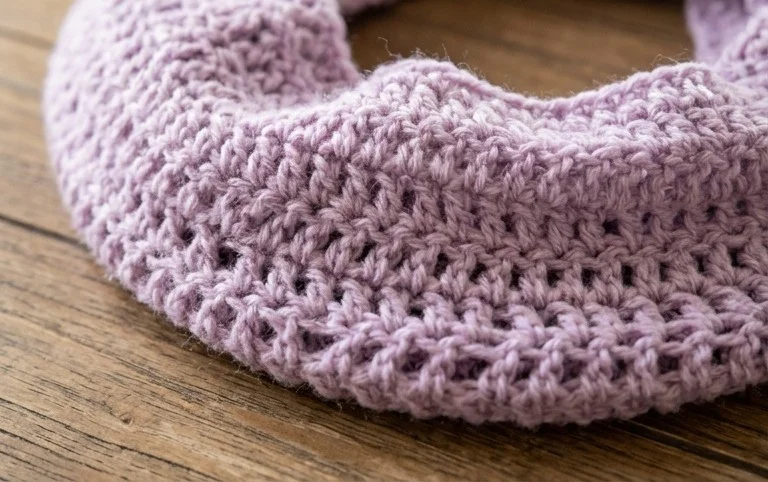
Your new handmade accessory serves as a light layer for transition weather and fits easily into any travel bag. You can create a larger version by doubling the starting chain or experiment with a variegated linen yarn to add subtle color shifts throughout the fabric. Please share a photo of your finished piece on social media so others can see how your color choices turned out. Check out the rest of the blog for more free patterns that help you build your collection of handmade goods.